|
 |
|
 |
JOLTS | Employment |
|
 |
|
The Job Openings and Labor Turnover Survey (JOLTS) tells us how many job openings there are each month, how many workers were hired, how many quit their job, how many were laid off, and how many experienced other separations... → Read more
|
|
|
|
|
|
|
| |
|
| |
 4. JOLTS (4 of 5) 4. JOLTS (4 of 5) 5. Jobless Claims (5 of 5) 5. Jobless Claims (5 of 5)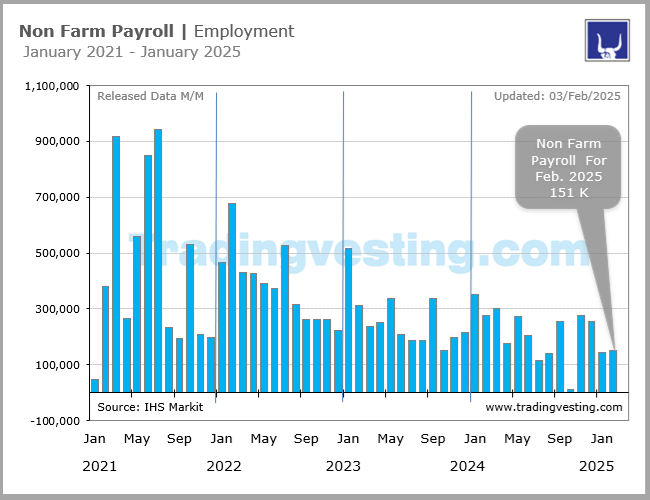 1. Non Farm Payroll (1 of 5) 1. Non Farm Payroll (1 of 5) 2. Unemployment Rate (2 of 5) 2. Unemployment Rate (2 of 5)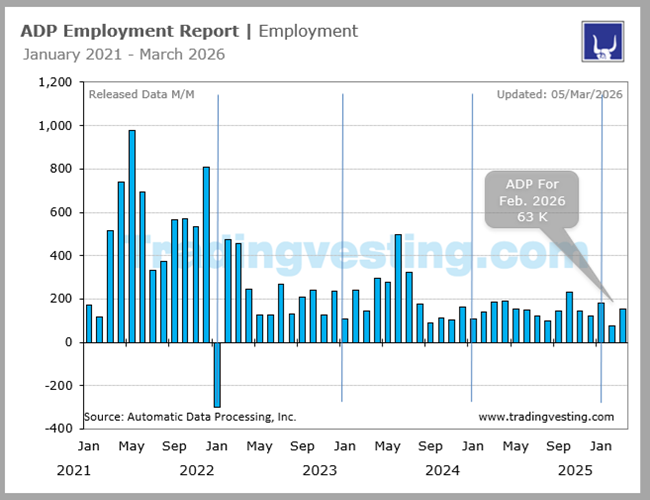 3. ADP Employment Rate (3 of 5) 3. ADP Employment Rate (3 of 5)
|
 |
|
|
|
|
| |
|
→ Big Chart |
|
→ Release |
|
| |
|
|
|
|
|
|
|
|
|
|
|
|
|
| |
|
More Jobs than JobSeekers in the US |
|
|
|
|
|
|
|
|
|
|
|
| |
|
|
|
|
|
|
|
|
|
|
|
|
JOLTS Employment Report (At 10:00 a.m ET)
| SCHEDULE 2026 |
No 1 |
No 2 |
No 3 |
No 4 |
No 5 |
No 6 |
No 7 |
No 8 |
No 9 |
No 10 |
No 11 |
No 12 |
| Release | Week |
|
|
|
|
|
|
|
|
|
|
|
|
| Release | Date |
|
|
|
|
|
|
|
|
|
|
|
|
| Release | Day |
|
|
|
|
|
|
|
|
|
|
|
|
 |
|
|
|
|
|
|
|
|
|
|
|
|
| Prior |
7.679 |
7.150 |
6.542 |
6.946 |
... |
... |
... |
... |
... |
... |
... |
... |
| Prior Revised |
7.450 |
6.928 |
6.550 |
7.240 |
... |
... |
... |
... |
... |
... |
... |
... |
| CONSENSUS |
7.650 |
7.245 |
6.750 |
... |
... |
... |
... |
... |
... |
... |
... |
... |
| Consensus Low |
7.600 |
7.000 |
6.675 |
... |
... |
... |
... |
... |
... |
... |
... |
... |
| Consensus High |
7.730 |
7.294 |
6.800 |
... |
... |
... |
... |
... |
... |
... |
... |
... |
| JOLTS LLEVEL |
7.150 |
6.542 |
6.946 |
6.882 |
... |
... |
... |
... |
... |
... |
... |
... |
| RATING |
|
|
|
|
|
|
|
|
|
|
|
|
| Month For |
Nov-25 |
Dec-25 |
Jan-26 |
Feb-26 |
Mar-26 |
Apr-26 |
May-26 |
Jun-26 |
Jul-26 |
Aug-26 |
Sep-26 |
Oct-26 |
|
|
| A higher JOLTS Job Openings report is positive for the stock market as it indicates a strong employment sector which can support economic growth. |
|
| |
|
|
JOLTS Employment Report (At 10:00 a.m ET)
| SCHEDULE 2025 |
No 1 |
No 2 |
No 3 |
No 4 |
No 5 |
No 6 |
No 7 |
No 8 |
No 9 |
No 10 |
No 11 |
No 12 |
| Release | Week |
|
|
|
|
|
|
|
|
|
|
|
|
| Release | Date |
|
|
|
|
|
|
|
|
|
|
|
|
| Release | Day |
|
|
|
|
|
|
|
|
|
|
|
|
|
|
|
|
|
|
|
|
|
|
|
|
|
| Prior |
7.744 |
8.098 |
7.600 |
7.740 |
7.568 |
7.192 |
7.391 |
7.769 |
7.437 |
7.181 |
7.227 |
7.658 |
| Prior Revised |
7.839 |
8.156 |
7.508 |
7.762 |
7.480 |
7.200 |
7.395 |
7.712 |
... |
7.208 |
... |
... |
| CONSENSUS |
7.650 |
8.000 |
7.500 |
7.600 |
7.464 |
7.100 |
7.300 |
7.450 |
7.375 |
7.100 |
7.300 |
7.200 |
| Consensus Low |
7.585 |
7.800 |
7.400 |
7.500 |
7.300 |
7.000 |
7.100 |
7.300 |
7.200 |
7.050 |
7.180 |
7.100 |
| Consensus High |
7.800 |
8.140 |
7.900 |
7.710 |
7.800 |
7.120 |
7.468 |
7.550 |
7.383 |
7.400 |
7.400 |
7.300 |
| JOLTS LLEVEL |
8.098 |
7.600 |
7.740 |
7.568 |
7.192 |
7.391 |
7.769 |
7.437 |
7.181 |
7.227 |
7.658 |
7.670 |
| RATING |
|
|
|
|
|
|
|
|
|
|
|
|
| Month For |
Nov-24 |
Dec-24 |
Jan-25 |
Feb-25 |
Mar-25 |
Apr-25 |
May-25 |
Jun-25 |
Jul-25 |
Aug-25 |
Sep-25 |
Oct-25 |
|
|
| A higher JOLTS Job Openings report is positive for the stock market as it indicates a strong employment sector which can support economic growth. |
|
| |
|
|
JOLTS Employment Report (At 10:00)
| SCHEDULE 2024 |
No 1 |
No 2 |
No 3 |
No 4 |
No 5 |
No 6 |
No 7 |
No 8 |
No 9 |
No 10 |
No 11 |
No 12 |
| Release | Week |
|
|
|
|
|
|
|
|
|
|
|
|
| Release | Date |
|
|
|
|
|
|
|
|
|
|
|
|
| Release | Day |
|
|
|
|
|
|
|
|
|
|
|
|
|
|
|
|
|
|
|
|
|
|
|
|
|
| Prior |
8.733 |
8.790 |
9.026 |
8.863 |
8.756 |
8.488 |
8.059 |
8.140 |
8.184 |
7.673 |
8.040 |
7.443 |
| Prior Revised |
8.852 |
8.925 |
8.889 |
8.746 |
8.813 |
8.355 |
8.919 |
8.230 |
7.910 |
7.710 |
7.861 |
7.372 |
| CONSENSUS |
8.750 |
8.700 |
8.900 |
8.800 |
8.700 |
8.400 |
7.900 |
8.000 |
8.100 |
7.700 |
7.900 |
7.490 |
| Consensus Low |
8.628 |
8.650 |
8.700 |
8.700 |
8.500 |
8.300 |
7.900 |
7.800 |
7.800 |
7.500 |
7.800 |
7.287 |
| Consensus High |
8.900 |
8.770 |
9.100 |
8.800 |
8.700 |
8.400 |
7.900 |
8.100 |
8.200 |
7.700 |
8.000 |
7.550 |
| JOLTS LLEVEL |
8.790 |
9.026 |
8.863 |
8.756 |
8.488 |
8.059 |
8.140 |
8.184 |
7.673 |
8.040 |
7.443 |
7.744 |
| RATING |
|
|
|
|
|
|
|
|
|
|
|
|
| Month For |
Nov-23 |
Dec-23 |
Jan-24 |
Feb-24 |
Mar-24 |
Apr-24 |
May-24 |
Jun-24 |
Jul-24 |
Aug-24 |
Sep-24 |
Oct-24 |
|
|
|
|
|
|
|
|
|
|
|
|
|
|
|
| |
|
| |
|
|
JOLTS Employment Report (At 10:00)
| SCHEDULE 2023 |
No 1 |
No 2 |
No 3 |
No 4 |
No 5 |
No 6 |
No 7 |
No 8 |
No 9 |
No 10 |
No 11 |
No 12 |
| Release | Week |
|
|
|
|
|
|
|
|
|
|
|
|
| Release | Date |
|
|
|
|
|
|
|
|
|
|
|
|
| Release | Day |
|
|
|
|
|
|
|
|
|
|
|
|
|
|
|
|
|
|
|
|
|
|
|
|
|
| Prior |
10.334 |
10.458 |
11.012 |
10.824 |
9.931 |
9.590 |
10.103 |
9.824 |
9.582 |
8.827 |
9.610 |
9.553 |
| Prior Revised |
10.512 |
10.440 |
11.234 |
10.563 |
9.974 |
9.745 |
10.320 |
9.616 |
9.165 |
8.920 |
9.497 |
9.350 |
| CONSENSUS |
10.100 |
10.200 |
10.600 |
10.400 |
9.600 |
9.350 |
9.900 |
9.650 |
9.559 |
8.750 |
9.375 |
9.400 |
| Consensus Low |
10.000 |
9.500 |
10.300 |
10.400 |
9.513 |
9.040 |
9.700 |
9.500 |
9.524 |
8.500 |
9.200 |
9.200 |
| Consensus High |
10.330 |
10.300 |
11.000 |
10.800 |
10.400 |
9.775 |
10.000 |
9.700 |
9.570 |
8.900 |
9.500 |
9.400 |
| JOLTS LLEVEL |
10.458 |
11.012 |
10.824 |
9.931 |
9.590 |
10.103 |
9.824 |
9.582 |
8.827 |
9.610 |
9.553 |
8.733 |
| RATING |
|
|
|
|
|
|
|
|
|
|
|
|
| Month For |
Nov-22 |
Dec-22 |
Jan-23 |
Feb-23 |
Mar-23 |
Apr-23 |
May-23 |
Jun-23 |
Jul-23 |
Aug-23 |
Sep-23 |
Oct-23 |
|
|
|
|
|
|
|
|
|
|
|
|
|
|
|
| |
|
| |
|
|
JOLTS Employment Report (At 10:00)
| SCHEDULE 2022 |
No 1 |
No 2 |
No 3 |
No 4 |
No 5 |
No 6 |
No 7 |
No 8 |
No 9 |
No 10 |
No 11 |
No 12 |
| Release | Week |
|
|
|
|
|
|
|
|
|
|
|
|
| Release | Date |
|
|
|
|
|
|
|
|
|
|
|
|
| Release | Day |
|
|
|
|
|
|
|
|
|
|
|
|
|
|
|
|
|
|
|
|
|
|
|
|
|
| Prior |
11.030 |
10.562 |
10.925 |
11.263 |
11.266 |
11.549 |
11.400 |
11.254 |
10.968 |
11.239 |
10.053 |
10.717 |
| Prior Revised |
11.090 |
10.775 |
11.448 |
11.283 |
11.344 |
11.855 |
11.681 |
11.303 |
11.040 |
11.170 |
11.170 |
10.687 |
| CONSENSUS |
11.000 |
10.500 |
10.900 |
11.100 |
11.270 |
11.400 |
11.250 |
11.000 |
10.400 |
11.150 |
9.875 |
10.500 |
| Consensus Low |
10.450 |
10.100 |
10.300 |
11.000 |
11.266 |
11.400 |
11.100 |
11.000 |
10.200 |
10.450 |
9.750 |
10.300 |
| Consensus High |
11.275 |
11.075 |
11.100 |
11.100 |
11.587 |
11.768 |
11.400 |
11.000 |
11.000 |
11.250 |
11.200 |
10.600 |
| JOLTS LLEVEL |
10.562 |
10.925 |
11.263 |
11.266 |
11.549 |
11.400 |
11.254 |
10.698 |
11.239 |
10.053 |
10.717 |
10.334 |
| RATING |
|
|
|
|
|
|
|
|
|
|
|
|
| Month For |
Nov-21 |
Dec-21 |
Jan-22 |
Feb-22 |
Mar-22 |
Apr-22 |
May-22 |
Jun-22 |
Jul-22 |
Aug-22 |
Sep-22 |
Oct-22 |
|
|
|
|
|
|
|
|
|
|
|
|
|
|
|
| |
|
| |
|
|
JOLTS Employment Report (At 10:00)
| SCHEDULE 2021 |
No 1 |
No 2 |
No 3 |
No 4 |
No 5 |
No 6 |
No 7 |
No 8 |
No 9 |
No 10 |
No 11 |
No 12 |
| Release | Week |
|
|
|
|
|
|
|
|
|
|
|
|
| Release | Date |
|
|
|
|
|
|
|
|
|
|
|
|
| Release | Day |
|
|
|
|
|
|
|
|
|
|
|
|
|
|
|
|
|
|
|
|
|
|
|
|
|
| Prior |
6.632 |
6.527 |
6.600 |
6.900 |
7.400 |
8.100 |
9.300 |
9.200 |
10.100 |
10.900 |
10.400 |
10.400 |
| Prior Revised |
6.870 |
6.770 |
6.750 |
7.100 |
7.530 |
8.290 |
9.190 |
9.480 |
10.190 |
11.100 |
10.630 |
10.600 |
| CONSENSUS |
6.500 |
6.400 |
6.700 |
6.900 |
7.500 |
8.200 |
9.330 |
9.280 |
10.000 |
10.900 |
10.300 |
10.500 |
| Consensus Low |
0 |
0 |
0 |
0 |
0 |
0 |
0 |
9.350 |
9.850 |
10.150 |
10.100 |
10.050 |
| Consensus High |
0 |
0 |
0 |
0 |
0 |
0 |
0 |
10.030 |
10.050 |
11.250 |
11.000 |
11.100 |
| JOLTS LLEVEL |
6.527 |
6.600 |
6.900 |
7.400 |
8.100 |
9.300 |
9.210 |
10.100 |
10.900 |
10.400 |
10.400 |
11.030 |
| RATING |
|
|
|
|
|
|
|
|
|
|
|
|
| Month For |
Nov-20 |
Dec-20 |
Jan-21 |
Feb-21 |
Mar-21 |
Apr-21 |
May-21 |
Jun-21 |
Jul-21 |
Aug-21 |
Sep-21 |
Oct-21 |
|
|
|
|
|
|
|
|
|
|
|
|
|
|
|
| |
|
| |
 |
Legends: |
 |
Delayed |
 |
Positive View |
 |
Negative View |
 |
Neutral View |
 |
Non Available |
 |
|
|
|
|
|
|
|
|
|
|
|
|
|
|
|
|
|
|
|
| |
|
|
|
|
|
|
|
|
|
|
|
|
JOLTS Employment Report (At 10:00 a.m ET)
| DATE/WEEK |
HIGHLIGHTS |
FOR |
JOLTS |
|
JOLTS |
No 12 |
... |
|
Oct-2026 |
|
| |
|
|
|
JOLTS |
No 11 |
... |
|
Sep-2026 |
|
| |
|
|
|
JOLTS |
No 10 |
... |
|
Aug-2026 |
|
| |
|
|
|
JOLTS |
No 9 |
... |
|
Jul-2026 |
|
| |
|
|
|
JOLTS |
No 8 |
... |
|
Jun-2026 |
|
| |
|
|
|
JOLTS |
No 7 |
... |
|
May-2026 |
|
| |
|
|
|
JOLTS |
No 6 |
... |
|
Apr-2026 |
|
| |
|
|
|
JOLTS |
No 5 |
... |
|
Mar-2026 |
|
| |
|
|
|
JOLTS |
No 4 |
... |
|
Feb-2026 |
|
| |
|
|
|
JOLTS |
No 3 |
6.946 M |
|
Jan-2026 |
|
| |
|
|
|
JOLTS |
No 2 |
6.542 M |
|
Dec-2025 |
|
| |
|
|
|
A new report from the Bureau of Labor Statistics reinforced that Americans are in a low-hire, low-fire labor market. The labor market is strong but weakening, labor economist Aaron Sojourner said. Employers are hesitant to make big changes in the face of huge amounts of uncertainty about policy and technology, he said. Businesses aren’t willing to commit to expanded payrolls, unsure if expansion will lead to higher profits. The JOLTS, or Job Openings and Labor Turnover Summary, for November showed job openings and hires were down from October. The number of job openings didn’t change much in November at 7.1 million, down 303,000 from a revised October. |
No 1 |
7.150 |
|
Nov-2025 |
|
| |
|
|
|
|
|
|
|
|
| |
|
|
|
|
|
| |
|
|
|
|
|
|
JOLTS Employment Report (At 10:00 a.m ET)
| DATE/WEEK |
HIGHLIGHTS |
FOR |
JOLTS |
|
Based on the Bureau of Labor Statistics (BLS) reports from December 2025, October 2025 saw US job openings remain stable at 7.670 million, with hires at 5.1 million. Key highlights include a 1.8% quit rate, a five-year low for worker confidence, and rising layoffs, signaling a "chilly" labor market despite high demand in specific sectors. |
No 12 |
7.670 M |
|
Oct-2025 |
|
| |
|
|
|
The Bureau of Labor Statistics (BLS) reported September 2025 JOLTS data, which indicates job openings stood at approximately 7.658 million, exceeding market expectations of 7.3 million and showing stability in the labor market. This data, originally delayed due to a government lapse in appropriations, was officially released with the October data in December 2025, The Job Openings and Labor Turnover Survey (JOLTS) for September 2025 was published on Dec 9 rahther than November 4, 2025, as originally scheduled. |
No 12 |
7.658 M |
|
Sep-2025 |
|
| |
|
|
|
JOLTS Oct. 2025: Delayed due to the government shut down,Delayed |
No 12 |
... |
|
Oct-2025 |
|
| |
|
|
|
JOLTS Sdep. 2025: Delayed due to the government shut down,Delayed |
No 11 |
... |
|
Sep-2025 |
|
| |
|
|
|
Though the labor market has shown considerable weakness this year, employment availability in August was slightly better than the prior month. The Bureau of Labor Statistics, in what could be its last data release until the spending impasse on Capitol Hill is resolved, said job openings totaled 7.23 million, up 19,000 from July though down 422,000, or 5.5%, from the same period a year ago.The bureau’s Job Openings and Labor Statistics report, which Federal Reserve officials watch closely to gauge labor market slack, showed a slower pace in both hiring and total separations. Quits fell by 75,000 for a category looked at as a gauge of worker confidence for finding new jobs after leaving their present one. |
No 10 |
7.227 M |
|
Aug-2025 |
|
| |
|
|
|
Job openings declined to 7.181M in July 2025 from 7.357M in the prior month (revised from 7.437M), according to data released by the U.S. Bureau of Labor Statistics on Wednesday. The most recent month's number missed the 7.375M consensus, signaling that labor demand continues to weaken.The job openings rate of 4.3% slipped from 4.4% from June and 4.5% in July 2024. The quits rate, at 2.0%, was unchanged from the previous month and compared with 2.1% in last year's July. |
No 9 |
7.181 M |
|
Jul-2025 |
|
| |
|
|
|
U.S. job openings and hiring decreased in June 2025 amid steep declines in the accommodation and food services sector, pointing to a further slowdown in labor market activity. Job openings, a measure of labor demand, dropped 275,000 to 7.437 million by the last day of June, the Labor Department's Bureau of Labor Statistics said in its Job Openings and Labor Turnover Survey, or JOLTS report, on Tuesday. Economists polled by Reuters had forecast 7.50 million unfilled jobs. |
No 8 |
7.437 M |
|
Jun-2025 |
|
| |
|
|
|
The May 2025 Job Openings and Labor Turnover Survey (JOLTS) report, released on July 1, 2025, showed a slight increase in job openings, with 7.769 million openings, a rise from the previous month. The quits rate, representing voluntary job separations, also saw a small increase to 2.1%, while the layoffs and discharges rate remained low at 1%. These figures suggest a dynamic labor market with some employers actively hiring and employees feeling confident enough to seek new opportunities. |
No 7 |
7.769 M |
|
May-2025 |
|
| |
|
|
|
The April 2025 JOLTS report showed that job openings unexpectedly rose to 7.391 million, surpassing the 7.1 million forecast. This is up from 7.2 million in March. Hires and total separations remained relatively unchanged. Within separations, quits and layoffs & discharges also showed little change. The Bureau of Labor Statistics (BLS) released the report on Tuesday. |
No 6 |
7.391 M |
|
Apr-2025 |
|
| |
|
|
|
In March 2025, the US Job Openings and Labor Turnover Survey (JOLTS) report indicated a slight decrease in job openings, with total openings falling to 7.192 million. This is a drop from the 7.48 million openings reported in February. The report also showed a decrease in the job openings rate, particularly in the Southeast region, with South Carolina experiencing the second lowest rate. |
No 5 |
7.192 M |
|
Mar-2025 |
|
| |
|
|
|
The JOLTS (Job Openings and Labor Turnover Survey) report for February 2025 indicated a slight decrease in job openings, with the number of openings falling to 7.568 million, compared to 7.762 million the previous month. This drop occurred despite a forecast of 7.616 million openings. The report also revealed a stable hiring rate and subdued layoffs, but an increase in job-cut announcements, particularly in the federal government. |
No 4 |
7.568 M |
|
Feb-2025 |
|
| |
|
|
|
The number of job openings was little changed at 7.740 million in January, the U.S. Bureau of Labor Statistics reported today. Hires held at 5.4 million, and total separations changed little at 5.3 million.Within separations, quits (3.3 million) and layoffs and discharges (1.6 million) changed little. This release includes estimates of the number and rate of job openings, hires, and separations for the total nonfarm sector, by industry, and by establishment size class. This release also includes 2024 annual estimates for job openings, hires, and separations. Job openings include all position that are open on the last business day of the month. Hires and separations include all changes to the payroll during the entire month. |
No 3 |
7.740 M |
|
Jan-2025 |
|
| |
|
|
|
Job openings decreased to 7.6 million in the last month of 2024, according to the latest U.S. Bureau of Labor Statistics (BLS) Job Openings and Labor Turnover Summary (JOLTS) report. While job openings in December fell short of expectations, reversing some recent gains, sideways movements in quits and hires helped to reinforce the emerging narrative of gradual stabilization in the job market after two-plus years of steady slowdowns. |
No 2 |
7.600 M |
|
Dec-2024 |
|
| |
|
|
|
Jolts and Ism did not show weakness like markets thought. S&P 500 Turns Lower, Bond Yields Surge After JOLTS Data. FOMC on hold for January unless payrolls shows surprising weakness, even then it will be viewed with skepticism.The U.S. job market remains resilient as the number of available jobs continues to stay elevated. November job openings, a measure of labor demand, rose to 8.10 million, according to the Labor Department's monthly Job Openings and Labor Turnover Survey (JOLTS) report. This marks an increase from 7.74 million job openings in October. The data exceeded expectations, as economists had forecasted a relatively unchanged figure of around 7.73 million. A JOLTS report indicated that job openings nudged higher in November while fewer workers left their jobs. |
No 1 |
8.098 M |
|
Nov-2024 |
|
| |
|
|
|
|
|
|
|
|
| |
|
|
|
|
|
| |
|
|
|
|
|
|
JOLTS Employment Report (At 10:00)
| DATE/WEEK |
HIGHLIGHTS |
FOR |
JOLTS |
|
JOLTS job openings for October 20244 at 7.744M vs 7.475M expected. JOLTs Job Openings increased from 7.372 million to 7.744 million. Job Quits increased from 3.098 million to 3.326 million. The report showed that labor market remained in decent shape. On December 3, 2024, U.S. released JOLTs Job Openings report for October. The report indicated that JOLTs Job Openings increased from 7.372 million (revised from 7.443 million) in September to 7.744 million in October, compared to analyst consensus of 7.48 million. |
No 12 |
7.744 |
|
Oct-2024 |
|
| |
|
|
|
Job openings fall to pre-pandemic levels as US labor market continues to cool down. There were an estimated 7.4 million unfilled jobs on the last day of September, a drop from August’s revised tally of 7.86 million openings, according to new data released Tuesday by the Bureau of Labor Statistics. The largest drop-offs in openings were in industries that have driven much of the job growth in recent years: health care and social assistance, and government, according to the report. Economists were expecting the number of job openings to land at around 7.9 million, declining from the prior month’s initial estimate of 8.04 million, according to FactSet estimates. The decline in job openings reflects a labor market that has slowed back to a pre-pandemic pace after experiencing years of blockbuster growth: The rate of openings as a percentage of total employment mirrors what was seen throughout much of 2018 and 2019, BLS data shows. |
No 11 |
7.443 |
|
Sep-2024 |
|
| |
|
|
|
A sign of strength in the labor market: Job openings increased in August. The number of available jobs in the US grew in August, signaling an undercurrent of strength in the labor market at a time when its vitals are being carefully monitored by the Federal Reserve. There were an estimated 8.04 million job openings in August, up from an upwardly revised 7.71 million in July, according to new data released Wednesday by the Bureau of Labor Statistics. The latest tally equates to 1.1 available jobs for every person looking for one, BLS data shows. Economists were expecting the number of available jobs to land at 7.682 million, a slight increase from July’s initial total, according to FactSet consensus estimates. |
No 10 |
8.040 |
|
Aug-2024 |
|
| |
|
|
|
Job openings fell more than expected in July in another sign of labor market softening. Job openings slumped to their lowest level in three and a half years in July, the Labor Department reported Wednesday in another sign of slack in the labor market. The department’s closely watched Job Openings and Labor Turnover Survey showed that available positions fell to 7.67 million on the month, off 237,000 from June’s downwardly revised number and the lowest level since January 2021. While the job openings level declined, layoffs increased to 1.76 million, up 202,000 from June.Job openings fall to lowest level since 2021. It’s getting harder to find work. |
No 9 |
7.673 |
|
Jul-2024 |
|
| |
|
|
|
The June JOLTS report won’t bring comfort to anyone looking for signs of stabilization in the US labor market. Job openings held steady in June, with 8.2 million open positions available at the end of the month. However, the hires rate and the quits rate are trending down, a concerning trajectory given their relatively low levels. For those looking for further signs of stabilization in the labor market, this latest JOLTS report won’t provide much comfort. Outside the ongoing stability in headline openings, hiring has fallen dramatically and continues to slide, falling to levels last seen in March 2020. And quits remain exceptionally low. |
No 8 |
8.184 |
|
Jun-2024 |
|
| |
|
|
|
Job openings increase 221,000 to 8.140 million. Layoffs rise 112,000 to 1.654 million; quits unchanged. US labor market steadily easing despite rise in job openings. U.S. job openings rose in May after posting outsized declines in the prior two months, but the trend remained consistent with an easing in labor market conditions that could pave the way for the Federal Reserve to cut interest rates this year. The Job Openings and Labor Turnover Survey, or JOLTS report, from the Labor Department on Tuesday showed there were 1.22 vacancies for every unemployed person in May, unchanged from April and the lowest vacancy-to-unemployment ratio since 2021. April's ratio previously had been estimated at 1.24. The ratio is now not too far from its average of 1.19 in 2019. |
No 7 |
8.140 |
|
May-2024 |
|
| |
|
|
|
Job openings fell again in April, hitting lowest level since February 2021 in a sign of labor market weakening The US labor market continues to moderate relatively painlessly. But past performance is no guarantee of future results.Job openings fell to 8.1 million in April, their lowest level since February 2021. The ratio of job openings to unemployed workers is now just above its average level in 2019, a sign the US labor market is rebalanced. Quitting and hiring held steady at rates below where they stood just before the pandemic, indicating that churn in the labor market is subdued but hasn’t been snuffed out. Job openings in April slipped to 8.06 million, down by nearly 300,000 from March and the lowest since February 2021. While job openings slid, hires moved slightly higher as did separations and quits. |
No 6 |
8.059 |
|
Apr-2024 |
|
| |
|
|
|
US job openings fell to a three-year low in March 2023, while the number of people quitting their jobs declined, signs of easing labor market conditions that over time could aid the Federal Reserve's fight against inflation. JOLTS report from the Labor Department on Wednesday was, however, tempered somewhat by other data showing a measure of prices paid by manufacturers for raw materials jumped to the highest level in nearly two years in April as commodity prices increased.. |
No 5 |
8.400 |
|
Mar-2024 |
|
| |
|
|
|
US job openings little changed in February; quits edge up. U.S. job openings held steady at higher levels in February, while the number of people quitting their jobs rose marginally. Job openings, a measure of labor demand, edged up 8,000 to 8.756 million on the last day of February, the Labor Department’s Bureau of Labor Statistics said in its monthly Job Openings and Labor Turnover Survey, or JOLTS report, on Tuesday. |
No 4 |
8.756 |
|
Feb-2024 |
|
| |
|
|
|
January 2024 hiring was the lowest for the month on record as layoffs surged. Companies announced the highest level of job cuts in January since early 2023, a potential trouble spot for a labor market that will be in sharp focus this year. |
No 3 |
8.863 |
|
Jan-2024 |
|
| |
|
|
|
December 2023 JOLTS Report: Hires Trending Lower. The US labor market ended the year strong, but the relative weakness in the hiring rate is something to keep in mind as we start the new year. Job openings rose in December, with employers saying they had 9 million unfilled positions at the end of the month. The layoff rate remains below its pre-pandemic rate and has only been above its pre-pandemic low for one month of the last three years.The usual data stars of the JOLTS report are still shining bright — layoffs are still low, openings are robust, and quitting is back to pre-pandemic levels. |
No 2 |
9.026 |
|
Dec-2023 |
|
| |
|
|
|
Job openings nudged down in November, down to lowest in more than two years. The Job Openings and Labor Turnover Survey showed employment listings nudged lower to 8.79 million, about in line with the Dow Jones estimate for 8.8 million and the lowest level since March 2021. The ratio of job openings to available workers fell to 1.4 to 1, still elevated but down sharply from the 2 to 1 level that had been prevalent in 2022. Job data shows two kinds of workers: the ‘haves and have nots,’ economist says. Hiring and quitting slowed in November, while layoffs remain historically low, according to the U.S. Labor Department’s monthly Job Openings and Labor Turnover Survey. This means job security is strong for existing workers, while the unemployed may have trouble finding a new gig. Companies may be encouraged in 2024 if the Federal Reserve starts cutting interest rates. |
No 1 |
8.790 |
|
Nov-2023 |
|
| |
|
|
|
|
|
|
|
|
| |
|
|
|
|
|
| |
|
|
|
|
|
|
JOLTS Employment Report (At 10:00)
| DATE/WEEK |
HIGHLIGHTS |
FOR |
ACTUAL |
|
US job openings hit more than 2-1/2-year low as labor market cools. U.S. job openings fell to more than a 2-1/2-year low in October, the strongest sign yet that higher interest rates were dampening demand for workers, and boosting financial markets expectations the Federal Reserve's monetary policy tightening cycle was over. The Labor Department's Job Openings and Labor Turnover Survey, or JOLTS report, on Tuesday also showed that there were 1.34 vacancies for every unemployed person in October, the lowest since August 2021 and down from 1.47 in September. Fewer workers are resigning, which over time could help ease wage inflation. The larger-than-expected decline in unfilled jobs followed data last week showing inflation subsiding in October. The run of inflation-friendly reports has led financial markets to anticipate a rate cut as early as next March. |
No 12 |
8.733 |
|
Oct-2023 |
|
| |
|
|
|
US job openings stay elevated, layoffs at nine-month low. Job openings increase 56,000 to 9.553 million in September. Quits little changed; layoffs decline 165,000. Manufacturing contracts further in October. U.S. job openings increased in September, pointing to persistent labor market tightness that is supporting the economy and likely to see the Federal Reserve keeping interest rates higher for a long time to cool demand. The Job Openings and Labor Turnover Survey, or JOLTS report from the Labor Department on Wednesday also showed layoffs dropping to a nine-month low. There were 1.50 job openings for every unemployed person in September, slightly up from 1.49 in August and way above the pre-pandemic ratio of 1.2. |
No 11 |
9.553 |
|
Sep-2022 |
|
| |
|
|
|
August job openings top 9.6 million, more than expected as labor market remains strong. Employment vacancies at U.S. businesses unexpectedly surged in August, a sign that the labor market remains tight and robust despite the Federal Reserve’s efforts to slow the economy. nJob openings totaled 9.61 million for the month, a jump of nearly 700,000 from July and well above the Dow Jones estimate for 8.8 million, the Labor Department said Tuesday in its monthly Job Openings and Labor Turnover Survey. Hires, however, rose only modestly, moving up to 5.857 million, an increase of just 35,000. Much of the increase in openings came in professional and business services, which showed a burst of 509,000. Openings had been on the decline for the last several months, indicating that the central bank’s interest rates hikes were beginning to have an impact on a labor market that had been hit by a large supply-demand mismatch in which openings had outnumbered available workers 2 to 1. The ratio now is down to 1.5 to 1, following an increase of workers classified as unemployed in August. The Fed follows the JOLTS report closely for signs of labor slack. |
No 10 |
9.610 |
|
Aug-2022 |
|
| |
|
|
|
Key U.S. jobs data began approaching pre-pandemic levels in July, a sign of the sort of employment market cooling Federal Reserve officials hope can lower inflation without a sharp rise in the unemployment rate. The Labor Department's Job Openings and Labor Turnover Survey (JOLTS) showed 2.3% of nonfarm payroll workers quit their jobs in July, down from a rate as high as 3% during the pandemic-driven "Great Resignation." The reading was the lowest since January 2021, when a wave of resignations was developing, and comparable to what was seen through 2018 and 2019 when a tight job market and low inflation coexisted. The sharp gains came after the Labor Department's Job Openings and Labor Turnover Survey (JOLTS) showed the number of job openings stood at 8.827 million in July, falling for the third straight month and signaling easing labor market pressures. Investors also parsed a report from the Conference Board showing consumer confidence in the United States fell to 106.1 in August, compared with expectations of 116. |
No 9 |
8.827 |
|
Jul-2022 |
|
| |
|
|
|
Job openings fall 34,000 to 9.582 million in June. Layoffs decline 19,000; quits decrease 295,000. Manufacturing stabilizes at lower levels in July. U.S. job openings fell to the lowest level in more than two years in June, but remained at levels consistent with tight labor market conditions, which could spur the Federal Reserve to keep interest rates elevated for some time. Labor market resilience was underscored by the third straight monthly decline in layoffs as employers hoard workers after difficulties finding labor during the COVID-19 pandemic. There were 1.61 job openings for every unemployed person in June, up from 1.58 in May |
No 8 |
9.582 |
|
Jun-2022 |
|
| |
|
|
|
U.S. job openings dropped in May, but remained at higher levels, indicating that labor market conditions were slowly easing. Job openings, a measure of labor demand, fell 496,000 to 9.824 million by the last day of May, the Labor Department said in its monthly Job Openings and Labor Turnover Survey, or JOLTS report, on Thursday. Data for April was revised up to show 10.320 million job openings instead of the previously reported 10.1 million. Economists polled by Reuters had forecast 9.935 million job openings. The labor market has remained resilient despite 500 basis points worth of interest rate increases from the Fed since March 2022, when the U.S. central bank embarked on its fastest monetary policy tightening campaign in more than 40 years to curb inflation. |
No 7 |
9.824 |
|
May-2022 |
|
| |
|
|
|
Job openings increase 358,000 to 10.1 million in April. Layoffs drop 264,000; voluntary quits decrease 49,000. U.S. job openings unexpectedly rose in April and data for the prior month was revised higher, pointing to persistent strength in the labor market that could compel the Federal Reserve to raise interest rates again in June. The Job Openings and Labor Turnover Survey, or JOLTS report, from the Labor Department on Wednesday also showed layoffs declined significantly last month. There were 1.8 job openings for every unemployed person in April, up from 1.7 in March, and well above the 1.0-1.2 range that is considered consistent with a jobs market that is not generating too much inflation. |
No 6 |
10.103 |
|
Apr-2023 |
|
| |
|
|
|
U.S. job openings fell for a third straight month in March and layoffs increased to the highest level in more than two years, suggesting some softening in the labor market that could aid the Federal Reserve's fight against inflation. Still, the labor market remains tight, with the monthly Job Openings and Labor Turnover Survey, or JOLTS report, from the Labor Department on Tuesday showing 1.6 vacancies for every unemployed person in March. That compared to 1.7 in February. Fed officials, who started a two-day policy meeting on Tuesday, are closely watching this ratio. The U.S. central bank is expected to raise its benchmark overnight interest rate by another 25 basis points to the 5.00%-5.25% range on Wednesday before potentially pausing its fastest monetary policy tightening campaign since the 1980s. Job openings, a measure of labor demand, fell 384,000 to 9.59 million on the last day of March, the lowest level since April 2021, Data for February was revised higher to show 9.97 million job openings instead of the previously reported 9.93 million. Economists polled by Reuters had forecast 9.775 million job openings. Job openings have dropped by 1.6 million since December.. |
No 5 |
9.590 |
|
Mar-2023 |
|
| |
|
|
|
Job openings fell below 10 million in February for the first time in nearly two years, in a sign that the Federal Reserve’s efforts to slow the labor market may be having some impact Available positions totaled 9.93 million, a drop of 632,000 from January’s downwardly revised number, the Labor Department reported Tuesday in its monthly Job Openings and Labor Turnover Survey. Wall Street had been looking for 10.4 million, according to FactSet. It was the first time vacancies fell below 10 million since May 2021. The Fed has targeted the red-hot labor market in its quest to bring down inflation, which had been running at a 41-year high in the summer of 2022. The central bank has raised benchmark interest rates nine times since March 2022, but those moves had been appearing to have little impact on the jobs situation. Prior to the February data, job openings had been outnumbering available workers by nearly 2 to 1. The latest figures bring that ratio down to less than 1.7 to 1. Though the numbers run a month behind, the Fed watches the JOLTS data closely for signs of labor slack. Along with the decline in job openings, hires and separations also decreased slightly. Quits, a sign of labor confidence in the ability to switch jobs, rose by 146,000 to just over 4 million. |
No 4 |
9.931 |
|
Feb-2023 |
|
| |
|
|
|
U.S. job openings fell less than expected in January and data for the prior month was revised higher, pointing to persistently tight labor market conditions that likely will keep the Federal Reserve on track to raise interest rates for longer. Job openings, a measure of labor demand, had decreased by 410,000 to 10.8 million on the last day of January, the Labor Department said in its monthly Job Openings and Labor Turnover Survey, or JOLTS report, on Wednesday. Data for December was revised higher to show 11.2 million job openings instead of the previously reported 11.0 million. Economists polled by Reuters had forecast 10.5 million job openings. Fed Chair Jerome Powell told lawmakers on Tuesday that the U.S. central bank would likely need to hike rates more than expected and he opened the door to a half-percentage-point increase this month to combat inflation after a recent raft of strong data. |
No 3 |
10.824 |
|
Jan-2023 |
|
| |
|
|
|
U.S. job openings unexpectedly rose in December, showing demand for labor remains strong despite higher interest rates and mounting fears of a recession, which could keep the Federal Reserve on its policy tightening path. There were 1.9 job openings for every unemployed person in December, the Labor Department's monthly Job Openings and Labor Turnover Survey, or JOLTS report, showed on Wednesday. Job openings, a measure of labor demand, increased by 572,000 to a five-month high of 11.0 million on the last day of December. Economists polled by Reuters had forecast 10.250 million job openings. That was reinforced by the JOLTS report, which showed layoffs climbing to 1.5 million in December from 1.4 million in November. The layoffs rate edged up to 1.0% from 0.9% in prior month. Workers also continued to voluntarily quit their jobs in December. The quits rates, which is viewed as a measure of labor market confidence, was unchanged at 2.7%.Job openings jumped in December to more than 11 million. Job openings surged in December despite the Federal Reserve’s efforts to cool the labor market, the Bureau of Labor Statistics reported Wednesday.There were just over 11 million openings for the month, up from 10.44 million in November and more than the 10.3 million FactSet estimate, according to the Job Openings and Labor Turnover Survey. Hires and separations also rose.There were 1.9 openings for every available worker in December.Quits, a measure of worker confidence to find new jobs, were little changed for the month near 4.1 million. |
No 2 |
11.012 |
|
Dec-2022 |
|
| |
|
|
|
November’s Job Openings and Labor Turnover, or JOLTS, report showed the job market remained strong, bolstering concerns that the Fed could continue raising interest rates as long as there remained a hot market for workers. But the ISM manufacturing index showed the sector was contracting after 30 months of expansion, which investors saw as a positive indicator that previous rate hikes had the intended impact of cooling the economy. US job openings remained elevated in November, highlighting how a resilient labor market is likely to keep the Federal Reserve tilted toward more restrictive policy in the months ahead. The number of available positions ticked down to 10.46 million from 10.51 million a month earlier, the Labor Department’s Job Openings and Labor Turnover Survey, or JOLTS, showed Wednesday. |
No 1 |
10.458 |
|
Nov-2022 |
|
| |
|
|
|
|
|
|
|
|
| |
|
|
|
|
|
| |
|
|
|
|
|
|
JOLTS Employment Report (At 10:00)
| DATE/WEEK |
HIGHLIGHTS |
FOR |
ACTUAL |
|
Job openings fell in October amid Fed efforts to cool labor market. The Job Openings and Labor Turnover Survey showed there were 10.33 million vacancies for the month, decline of 353,000 from September and down 760,000 compared with a year ago. That left 1.7 job openings per available worker for the month, down from a 2 to 1 ratio just a few months ago. Job openings dipped in October amid the Federal Reserve’s efforts to cool off a red-hot employment market, the Labor Department reported Wednesday. The Job Openings and Labor Turnover Survey, a closely watched gauge of slack in the labor force, showed there were 10.3 million vacancies for the month. That’s a decline of 353,000 from September and down 760,000 compared with a year ago. |
No 12 |
10.334 |
|
Oct-2022 |
|
| |
|
|
|
Job openings surged in September despite Federal Reserve efforts aimed at loosening up a historically tight labor market that has helped feed the highest inflation readings in four decades. Employment openings for the month totaled 10.72 million, well above the FactSet estimate for 9.85 million, according to data Tuesday from the Bureau of Labor Statistics’ Job Openings and Labor Turnover Survey.The total eclipsed August’s upwardly revised level by nearly half a million. Fed policymakers watch the JOLTS report closely for clues about the labor market. The latest numbers are unlikely to sway central bank officials from approving what likely will be a fourth consecutive 0.75 percentage point interest rate increase this week. September’s data indicates that there are 1.9 job openings for every available worker |
No 11 |
10.717 |
|
Sep-2022 |
|
| |
|
|
|
The number of job openings plunged by more than a million in August, providing a potential early sign that the massive U.S. labor gap is beginning to close. Available positions totaled 10.05 million for the month, a 10% drop from the 11.17 million reported in July, according to a Bureau of Labor Statistics release Tuesday. That was also well below the 11.1 million FactSet estimate and was the biggest one-month decline since April 2020 in the early days of the Covid pandemic. The number of hires rose slightly, while total separations jumped by 182,000. Quits, or those who left their jobs voluntarily, rose by 100,000 for the month to 4.16 million. |
No 10 |
10.334 |
|
Oct-2023 |
|
| |
|
|
|
Job openings top 11.2 million in July, well above estimate and nearly double the available workers. Available job positions in July totaled 11.24 million for the month, well in excess of the 10.3 million FactSet estimate. That total also was nearly double the total pool of available workers, which stood at 5.67 million for the month. There were nearly 1 million more job openings than expected in July, an inflationary sign that the U.S. labor market is still extremely tight, the Bureau of Labor Statistics reported Tuesday. Available positions totaled 11.24 million for the month, well in excess of the 10.3 million FactSet estimate, according to the Job Openings and Labor Turnover Survey. |
No 9 |
10.717 |
|
Sep-2022 |
|
| |
|
|
|
The number of available jobs in the US shrank considerably in June, according to new data released Tuesday by the Bureau of Labor Statistics. Job openings dropped to 10.7 million in June, down from a revised 11.3 million in May, according to the latest Job Openings and Labor Turnover Survey, or JOLTS. That’s the lowest level since September 2021 but still above pre-pandemic levels of 7 million. The retail and wholesale trade sectors saw the biggest pullback in unfilled jobs. |
No 8 |
10.334 |
|
Oct-2023 |
|
| |
|
|
|
Job openings fell in May but still outnumber available workers by almost 2 to 1 Job openings totaled 11.25 million for May, a considerable drop from the upwardly revised 11.68 million in April, according to the Labor Department’s JOLTS report. There were 5.95 million people counted as unemployed in the month, meaning there were 1.9 openings per every available worker, still around historical highs. Job openings fell sharply in May but still far outnumbered the level of people looking for work, the Bureau of Labor Statistics reported Wednesday. Available positions totaled 11.25 million for the month, a considerable drop from the upwardly revised 11.68 million in April. |
No 7 |
10.717 |
|
Sep-2022 |
|
| |
|
|
|
Job openings show sharp decline, but still vastly outnumber available workers. ob openings fell by 455,000 in April, from an upwardly revised 11.855 million the previous month. That helped close the gap between vacancies and available workers, which was 5.46 million. Hirings and quits were little changed for the month. Job openings fell by nearly half a million in April, narrowing the historically large gap between vacant positions and available workers.The openings total declined by 455,000 from the upwardly revised March number to 11.4 million in April, about in line with the FactSet estimate, according to the bureau’s Job Openings and Labor Turnover Survey. |
No 6 |
10.334 |
|
Oct-2023 |
|
| |
|
|
|
Record high U.S. job openings, resignations likely to fuel wage inflation. Job openings increase 205,000 to 11.5 million in March 2022. Hiring falls 95,000 to 6.7 million. Quits rise 152,000 to record 4.5 million. U.S. employers saw record levels of job openings and workers quitting in March 2022, pointing to intensifying labor-market tightness that will keep pushing wages higher at a rapid clip. The number of available positions increased to 11.5 million in March 2022 from 11.3 million in February 2022, the Labor Department’s Job Openings and Labor Turnover Survey, or JOLTS, showed Tuesday. The median forecast in a Bloomberg survey of economists called for 11.2 million openings., Job openings and the level of people quitting their jobs reached records in March 2022. Employment openings exceeded the level of available workers by 5.6 million in March 2022. |
No 5 |
10.717 |
|
Sep-2022 |
|
| |
|
|
|
JOLTS Job Openings fall sightly to 11.266 million in February 2022 vs. 11.0 million expected. There were 11.266M job opening in the US at the end of February 2022, the latest JOLTs Job-Opening data release on Tuesday by the US Labour Department showed. That was slightly less than the 11.283M openings at the end of January, but well above the 11.0M expected. Robust JOLTs data which points to a backdrop of continued very strong demand for labour throughout the US economy has not been enough to lift the buck from session lows, with the DXY still trading in the low 98.00s. The safe-haven USD has been weighed on Tuesday amid positive Russo-Ukraine updates that have spurred hope for a ceasefire. |
No 4 |
10.334 |
|
Oct-2023 |
|
| |
|
|
|
Job openings hold above 11 million, nearly 5 million more than the total unemployment leve. Job openings totaled 11.26 million in January, more than the 10.9 million estimate. That brought the total vacancies to 4.75 million more than available workers. The quits level, reflective of the so-called Great Resignation, declined to its lowest total since October.Job openings outnumbered available workers by nearly 5 million in January, the latest sign of a historically tight employment picture, the Labor Department reported Wednesday. |
No 3 |
10.717 |
|
Jan-2022 |
|
| |
|
|
|
The labor shortage shows no sign of slowing down as job openings ticked up in December 2021. Job openings unexpectedly crept higher in December as the hiring recovery sharply slowed and the Omicron variant fueled a new wave of COVID-19 infections nationwide.Job openings were little changed at 10.9 million on the last business day of December 2021. Hires and total separations decreased to 6.3 million and 5.9 million, respectively. The layoffs and discharges level and rate were at series lows of 1.2 million and 0.8 percent, respectively. |
No 2 |
10.334 |
|
Dec-2021 |
|
| |
|
|
|
The number of job openings decreased to 10.6 million on the last business day of November 2021, the U.S. On the last business day of November 2021, the number and rate of job openings decreased to 10.6 million (-529,000) and 6.6 percent, respectively. A record 4.5 million workers quit their jobs in November 2021. Workers quit their jobs in record numbers in November while the total employment openings pulled back a bit, the Labor Department reported Tuesday. The so-called quits level surged to 4.53 million for the month, according to the department’s Job Openings and Labor Turnover Survey. |
No 1 |
10.717 |
|
Nov-2021 |
|
| |
|
|
| |
|
The so-called Great Resignation lost some steam in October 2021, with the total number of workers leaving their jobs either due to dissatisfaction or better opportunities elsewhere declining, the Labor Department reported Wednesday. Job quitters fell by 4.7%, falling to 4.16 million from 4.36 million, the department said in its Job Openings and Labor Turnover Survey. The rate as a share of the workforce fell from 3% to 2.8%.Employers are having trouble filling open job. October’s robust 11 million job openings is just below a recent high of 11.1 million vacancies in July. Openings increased the most in accommodation and food services, nondurable goods manufacturing, and educational services, while they decreased the most in state and local government, excluding education. |
No 12 |
10.334 |
|
Oct-2021 |
|
| |
|
|
|
Workers continue to quit at historic levels, with the quits rate hitting an all-time high of 3%. The delta variant is still visible in the September 2021 Job Openings and Labor Turnover Survey (JOLTS) report, though we do know from the October jobs report that the labor market did get on more stable ground. US job openings edged lower to 10.4 million in September 2021, according to Friday JOLTS data. The print landed above the median forecast for 10.3 million openings. Job openings continued to exceed unemployed workers, signaling the labor shortage raged into the fall. |
No 11 |
10.717 |
|
Sep-2021 |
|
| |
|
|
|
US job openings slide for the first time in 6 months in August — and more people quit than ever. Openings fell to 10.4 million from 11.1 million, according to Job Openings and Labor Turnover Survey, or JOLTS, data published Tuesday. Economists surveyed by Bloomberg expected openings to drop to 10.93 million. The reading marks the first decline since December 2020. The report signals the labor shortage still going strong in August as the Delta wave intensified. Openings first shot higher through the spring as businesses struggled to attract workers. The labor shortage quickly led some firms to raise wages, while others waited for the virus threat to fade. And while job creation boomed through the summer, openings kept rising to fresh records. |
No 10 |
10.053 |
|
Aug-2021 |
|
| |
|
|
|
US job openings hit another record high as the labor shortage charged into July 2021. US job openings rose to 10.9 million from 10.2 million in July, according to JOLTS data out Wednesday. The print exceeded the estimate for 10 million openings and marked a fifth straight record high. Job openings continued to exceed available workers despite the creation of 1.1 million payrolls in July. Job openings in the US rose to a record high for the fifth consecutive month in July as demand for workers still outpaced hiring. Openings climbed to 10.9 million in July from 10.2 million, according to Job Openings and Labor Turnover Survey, or JOLTS, data published Wednesday. Economists surveyed by Bloomberg expected openings to dip to 10 million. |
No 9 |
11.239 |
|
Jul-2021 |
|
| |
|
|
|
US job openings rose to 10.1 million from 9.5 million in June 2021, a fourth straight record high. Economists expected openings to climb slightly to 9.28 million. The print marks a sixth straight increase. For the first time since the pandemic began, the number of job openings exceeded available workers. Job openings in the US reached yet another record high in June, underscoring the struggle among businesses to rehire amid a collection of headwinds. Openings rose to 10.1 million from 9.5 million in June, according to Job Openings and Labor Turnover Survey, or JOLTS, data published Monday. That compares to a median estimate of 9.28 openings from economists surveyed by Bloomberg. The print marks a sixth consecutive month of higher job openings and four consecutive record highs in openings. It also reflects a sizeable pick-up in openings after they were largely flat from April to May. |
No 8 |
9.582 |
|
Jun-2021 |
|
| |
|
|
|
3.6 million Americans quit their jobs in May, and there's one job opening for every unemployed worker. There's one worker per job opening as of May 2021.The latest JOLTS report showed quits were still high, but not as high as the 20-year record in April. Quits varied by industry. 859,000 workers in trade, transportation, and utilities left their jobs. As the economy continues its strange reopening trajectory, May once again saw workers quitting in droves. The latest data release from the Bureau of Labor Statistics found that 3.6 million workers opted to leave their jobs, a quit rate of 2.5%. That's lower than April's 20-year high, where just shy of 4 million workers left their jobs. Even so — April aside — it's still one of the highest levels since December 2000, when the BLS started collecting data on quits and vacancies. Meanwhile, 9.2 million jobs are open — about the same as in April. |
No 7 |
9.824 |
|
May-2021 |
|
| |
|
|
|
Job openings rise to new record high in April as US labor shortage slows hiring.US job openings jumped to 9.3 million from 8.3 million in April, setting a new record high. The reading comes in above the median estimate of 8.2 million and marks a fourth straight gain. Roughly 1.1 Americans competed for every opening, down from 1.2 as the labor shortage intensified. Demand for workers in the US intensified in April as nationwide reopening squared off with an unprecedented labor shortage. Job openings rose to a record-high 9.3 million from 8.3 million in April, according to Job Openings and Labor Turnover Survey, or JOLTS, data released Tuesday. Economists surveyed by Bloomberg held a median estimate of 8.2 million openings. The reading marks a fourth consecutive jump in openings. The report also sheds more light on how the labor market performed through April. The month's nonfarm payrolls report, released in early May, showed hiring drastically slowing as businesses reported difficulties finding workers. The April payroll gains have since been revised slightly higher, and data published last week showed hiring rebound in May. Yet job growth is still down from the pace seen in March despite openings climbing further. Democrats have attributed the slowdown to a push for higher wages, while Republicans largely blame enhanced unemployment insurance. |
No 6 |
10.103 |
|
Apr-2021 |
|
| |
|
|
|
Job openings hit a record high in March — showing the gap between job postings and hirings was huge even before April's jobs report. US job openings rose to 8.1 million from 7.4 million in March, according to JOLTS data. That lands above the median estimate of 7.5 million and marks a record number of openings. The hiring rate climbed to 4.2% from 4% as stimulus and vaccinations fueled reopening. Job openings grew to record highs in the US in March amid continued vaccination and fresh stimulus. The data shows businesses reopening along with the country, yet last Friday's jobs report for April indicated employers have since had trouble filling those jobs. Openings rose to 8.1 million from 7.5 million, according to Job Openings and Labor Turnover Survey, or JOLTS, data published Tuesday morning. The median estimate from economists surveyed by Bloomberg was for 7.5 million openings. The reading marks a third straight increase and places job openings at their highest level ever. The food services, accommodations, and state and local government education sectors added the most openings throughout the month. The health care and social assistance sectors shed 218,000 jobs, marking the largest decline of the monh. |
No 5 |
9.590 |
|
Mar-2021 |
|
| |
|
|
|
US job openings climbed to 7.4 million in February on hopes of a spring economic rebound. US job openings gained to 7.4 million from 6.9 million in February, according to JOLTS data. Economists expected openings to hold at 6.9 million through the month. The hiring rate rose to 4% from 3.8% as businesses prepared for reopening to lift demand. US job openings gained more than expected in February as daily coronavirus case counts fell from winter highs and vaccine distribution improved. Openings increased to 7.4 million from 7.1 million in February, according to Job Openings and Labor Turnover Survey, or JOLTS, data published Tuesday. Economists surveyed by Bloomberg projected openings would hold steady at 6.9 million. The reading marks a second straight increase and brings openings to their highest level since January 2019. The health care and food and accommodation sectors counted for most of the gains, according to the report. The state and local government education industry shed 117,000 openings, the biggest decline seen that month. |
No 4 |
9.931 |
|
Feb-2021 |
|
| |
|
|
|
US job openings unexpectedly jumped by 165,000 in January as virus case counts hit their peak. US job openings rose to 6.9 million from 6.7 million in January, according to JOLTS data. Economists had expected a slight decline through the first month of the year. The hiring rate fell to 3.7% from 3.8% despite millions of Americans still looking for work. Job openings in the US unexpectedly climbed in January as daily new COVID-19 cases peaked and the economic recovery slowly resumed. Openings gained by 165,000 to roughly 6.9 million in the first month of the year, according to Job Openings and Labor Turnover Survey, or JOLTS, data published Thursday. Economists surveyed by Bloomberg had anticipated openings would decline slightly to 6.7 million. The state and local government education and education services sectors drove the bulk of the jump in openings, according to the report. The professional and business services industry saw the biggest drop. Roughly 1.5 Americans competed for every job in January, down from 1.6 the month prior. |
No 3 |
10.824 |
|
Jan-2021 |
|
| |
|
|
|
US job openings jumped by 74,000 in December as the labor market unexpectedly nosedived.US job openings gained by 74,000 to 6.6 million in December, according to Tuesday JOLTS data. The reading handily exceeds economists' consensus estimate of 6.4 million openings. The hiring rate dropped to 3.9% from 4.2%, the same level seen just before the pandemic. US job openings gained by 74,000 to 6.6 million in December, according to Tuesday JOLTS data. The reading handily exceeds economists' consensus estimate of 6.4 million openings. The hiring rate dropped to 3.9% from 4.2%, the same level seen just before the pandemic. |
No 2 |
11.012 |
|
Dec-2020 |
|
| |
|
|
|
November JOLTS report shows 6.5M job openings. The number of job openings was little changed at 6.5 million on the last business day of November, the U.S. Bureau of Labor Statistics reported today. Hires were little changed at 6.0 million while total separations increased to 5.4 million. Within separations, the quits rate was unchanged at 2.2 percent while the layoffs and discharges rate increased to 1.4 percent. Jobs openings decreased in November to 6.527 million from 6.632 million in October. |
No 1 |
10.458 |
|
Nov-2020 |
|
| |
|
|
|
|
|
|
|
|
| |
|
|
|
|
|
| |
|
|
|
|
|
|
JOLTS Employment Report (At 10:00)
| DATE/WEEK |
HIGHLIGHTS |
FOR |
ACTUAL |
|
The so-called Great Resignation lost some steam in October 2021, with the total number of workers leaving their jobs either due to dissatisfaction or better opportunities elsewhere declining, the Labor Department reported Wednesday. Job quitters fell by 4.7%, falling to 4.16 million from 4.36 million, the department said in its Job Openings and Labor Turnover Survey. The rate as a share of the workforce fell from 3% to 2.8%.Employers are having trouble filling open job. October’s robust 11 million job openings is just below a recent high of 11.1 million vacancies in July. Openings increased the most in accommodation and food services, nondurable goods manufacturing, and educational services, while they decreased the most in state and local government, excluding education. |
No 12 |
10.334 |
|
Oct-2021 |
|
| |
|
|
|
Workers continue to quit at historic levels, with the quits rate hitting an all-time high of 3%. The delta variant is still visible in the September 2021 Job Openings and Labor Turnover Survey (JOLTS) report, though we do know from the October jobs report that the labor market did get on more stable ground. US job openings edged lower to 10.4 million in September 2021, according to Friday JOLTS data. The print landed above the median forecast for 10.3 million openings. Job openings continued to exceed unemployed workers, signaling the labor shortage raged into the fall. |
No 11 |
10.717 |
|
Sep-2021 |
|
| |
|
|
|
US job openings slide for the first time in 6 months in August — and more people quit than ever. Openings fell to 10.4 million from 11.1 million, according to Job Openings and Labor Turnover Survey, or JOLTS, data published Tuesday. Economists surveyed by Bloomberg expected openings to drop to 10.93 million. The reading marks the first decline since December 2020. The report signals the labor shortage still going strong in August as the Delta wave intensified. Openings first shot higher through the spring as businesses struggled to attract workers. The labor shortage quickly led some firms to raise wages, while others waited for the virus threat to fade. And while job creation boomed through the summer, openings kept rising to fresh records. |
No 10 |
10.053 |
|
Aug-2021 |
|
| |
|
|
|
US job openings hit another record high as the labor shortage charged into July 2021. US job openings rose to 10.9 million from 10.2 million in July, according to JOLTS data out Wednesday. The print exceeded the estimate for 10 million openings and marked a fifth straight record high. Job openings continued to exceed available workers despite the creation of 1.1 million payrolls in July. Job openings in the US rose to a record high for the fifth consecutive month in July as demand for workers still outpaced hiring. Openings climbed to 10.9 million in July from 10.2 million, according to Job Openings and Labor Turnover Survey, or JOLTS, data published Wednesday. Economists surveyed by Bloomberg expected openings to dip to 10 million. |
No 9 |
11.239 |
|
Jul-2021 |
|
| |
|
|
|
US job openings rose to 10.1 million from 9.5 million in June 2021, a fourth straight record high. Economists expected openings to climb slightly to 9.28 million. The print marks a sixth straight increase. For the first time since the pandemic began, the number of job openings exceeded available workers. Job openings in the US reached yet another record high in June, underscoring the struggle among businesses to rehire amid a collection of headwinds. Openings rose to 10.1 million from 9.5 million in June, according to Job Openings and Labor Turnover Survey, or JOLTS, data published Monday. That compares to a median estimate of 9.28 openings from economists surveyed by Bloomberg. The print marks a sixth consecutive month of higher job openings and four consecutive record highs in openings. It also reflects a sizeable pick-up in openings after they were largely flat from April to May. |
No 8 |
9.582 |
|
Jun-2021 |
|
| |
|
|
|
3.6 million Americans quit their jobs in May, and there's one job opening for every unemployed worker. There's one worker per job opening as of May 2021.The latest JOLTS report showed quits were still high, but not as high as the 20-year record in April. Quits varied by industry. 859,000 workers in trade, transportation, and utilities left their jobs. As the economy continues its strange reopening trajectory, May once again saw workers quitting in droves. The latest data release from the Bureau of Labor Statistics found that 3.6 million workers opted to leave their jobs, a quit rate of 2.5%. That's lower than April's 20-year high, where just shy of 4 million workers left their jobs. Even so — April aside — it's still one of the highest levels since December 2000, when the BLS started collecting data on quits and vacancies. Meanwhile, 9.2 million jobs are open — about the same as in April. |
No 7 |
9.824 |
|
May-2021 |
|
| |
|
|
|
Job openings rise to new record high in April as US labor shortage slows hiring.US job openings jumped to 9.3 million from 8.3 million in April, setting a new record high. The reading comes in above the median estimate of 8.2 million and marks a fourth straight gain. Roughly 1.1 Americans competed for every opening, down from 1.2 as the labor shortage intensified. Demand for workers in the US intensified in April as nationwide reopening squared off with an unprecedented labor shortage. Job openings rose to a record-high 9.3 million from 8.3 million in April, according to Job Openings and Labor Turnover Survey, or JOLTS, data released Tuesday. Economists surveyed by Bloomberg held a median estimate of 8.2 million openings. The reading marks a fourth consecutive jump in openings. The report also sheds more light on how the labor market performed through April. The month's nonfarm payrolls report, released in early May, showed hiring drastically slowing as businesses reported difficulties finding workers. The April payroll gains have since been revised slightly higher, and data published last week showed hiring rebound in May. Yet job growth is still down from the pace seen in March despite openings climbing further. Democrats have attributed the slowdown to a push for higher wages, while Republicans largely blame enhanced unemployment insurance. |
No 6 |
10.103 |
|
Apr-2021 |
|
| |
|
|
|
Job openings hit a record high in March — showing the gap between job postings and hirings was huge even before April's jobs report. US job openings rose to 8.1 million from 7.4 million in March, according to JOLTS data. That lands above the median estimate of 7.5 million and marks a record number of openings. The hiring rate climbed to 4.2% from 4% as stimulus and vaccinations fueled reopening. Job openings grew to record highs in the US in March amid continued vaccination and fresh stimulus. The data shows businesses reopening along with the country, yet last Friday's jobs report for April indicated employers have since had trouble filling those jobs. Openings rose to 8.1 million from 7.5 million, according to Job Openings and Labor Turnover Survey, or JOLTS, data published Tuesday morning. The median estimate from economists surveyed by Bloomberg was for 7.5 million openings. The reading marks a third straight increase and places job openings at their highest level ever. The food services, accommodations, and state and local government education sectors added the most openings throughout the month. The health care and social assistance sectors shed 218,000 jobs, marking the largest decline of the monh. |
No 5 |
9.590 |
|
Mar-2021 |
|
| |
|
|
|
US job openings climbed to 7.4 million in February on hopes of a spring economic rebound. US job openings gained to 7.4 million from 6.9 million in February, according to JOLTS data. Economists expected openings to hold at 6.9 million through the month. The hiring rate rose to 4% from 3.8% as businesses prepared for reopening to lift demand. US job openings gained more than expected in February as daily coronavirus case counts fell from winter highs and vaccine distribution improved. Openings increased to 7.4 million from 7.1 million in February, according to Job Openings and Labor Turnover Survey, or JOLTS, data published Tuesday. Economists surveyed by Bloomberg projected openings would hold steady at 6.9 million. The reading marks a second straight increase and brings openings to their highest level since January 2019. The health care and food and accommodation sectors counted for most of the gains, according to the report. The state and local government education industry shed 117,000 openings, the biggest decline seen that month. |
No 4 |
9.931 |
|
Feb-2021 |
|
| |
|
|
|
US job openings unexpectedly jumped by 165,000 in January as virus case counts hit their peak. US job openings rose to 6.9 million from 6.7 million in January, according to JOLTS data. Economists had expected a slight decline through the first month of the year. The hiring rate fell to 3.7% from 3.8% despite millions of Americans still looking for work. Job openings in the US unexpectedly climbed in January as daily new COVID-19 cases peaked and the economic recovery slowly resumed. Openings gained by 165,000 to roughly 6.9 million in the first month of the year, according to Job Openings and Labor Turnover Survey, or JOLTS, data published Thursday. Economists surveyed by Bloomberg had anticipated openings would decline slightly to 6.7 million. The state and local government education and education services sectors drove the bulk of the jump in openings, according to the report. The professional and business services industry saw the biggest drop. Roughly 1.5 Americans competed for every job in January, down from 1.6 the month prior. |
No 3 |
10.824 |
|
Jan-2021 |
|
| |
|
|
|
US job openings jumped by 74,000 in December as the labor market unexpectedly nosedived.US job openings gained by 74,000 to 6.6 million in December, according to Tuesday JOLTS data. The reading handily exceeds economists' consensus estimate of 6.4 million openings. The hiring rate dropped to 3.9% from 4.2%, the same level seen just before the pandemic. US job openings gained by 74,000 to 6.6 million in December, according to Tuesday JOLTS data. The reading handily exceeds economists' consensus estimate of 6.4 million openings. The hiring rate dropped to 3.9% from 4.2%, the same level seen just before the pandemic. |
No 2 |
11.012 |
|
Dec-2020 |
|
| |
|
|
|
November JOLTS report shows 6.5M job openings. The number of job openings was little changed at 6.5 million on the last business day of November, the U.S. Bureau of Labor Statistics reported today. Hires were little changed at 6.0 million while total separations increased to 5.4 million. Within separations, the quits rate was unchanged at 2.2 percent while the layoffs and discharges rate increased to 1.4 percent. Jobs openings decreased in November to 6.527 million from 6.632 million in October. |
No 1 |
10.458 |
|
Nov-2020 |
|
| |
|
|
|
|
|
|
|
|
| |
|
|
|
|
|
| |
|
Legends: |
|
Delayed |
|
Positive View |
|
Negative View |
|
Neutral View |
|
Non Available |
|
|
|
|
|
|
|
|
|
|
|
|
|
|
|
|
|
|
|
|
| |
|
|
|
|
|
|
|
|
|
|
|
| |
|
|
|
|
| |
|
| JOLTS |
What are JOLTS ?
The Job Openings and Labor Turnover Survey (JOLTS) is a critical tool in assessing the state of the US labor market. In this glossary entry, we will delve into the details of the JOLTS report, explore its relevance in the realm of finance, and examine how it can be interpreted to gain valuable insights. Assessing a metric within the context of other JOLTS data can provide for better understanding of the labor market. For example, a high number of job openings may indicate strong unmet demand for workers; but it could also indicate high 'churn' if hires and quits are also elevated. A higher JOLTS Job Openings report is positive for the stock market as it indicates a strong employment sector which can support economic growth.
The JOLTS report is closely watched at the Federal Reserve and elsewhere for signs of labor market tightness. While the quits rate dropped, the level of job openings accelerated to just below its all-time high. That number totaled 11.03 million, an increase of 4.1% as the rate rose to 6.9% from 6.7%. The number of openings exceeded those looking for jobs by 3.6 million in October. JOLTS data runs a month behind the more closely followed nonfarm payrolls report, which showed a gain of 546,000 for the month.
Why JOLTS Often Won’t Move the Market ?
Lagging Data: JOLTS reflects past trends, which means it's not as immediately impactful as real-time data. Tier 2 Status: It’s not as prominent as NFP or CPI, so it usually doesn’t create significant market waves. Traders often prioritize other economic indicators over JOLTS
|
|
|
| |
|
|
|
|
|
|
|
|
|
|
|
| |
|
|
|
|
|
|
| DATA INFORMATION |
JOLTS |
| SOURCE |
Bureau of Labor Statistics (BLS), U.S. Department of Labor.
|
| WEB |
www.bls.gov |
| FREQUENCY |
Monthly |
| AVAILABILITY |
Usually the first Friday day of the month |
| COVERAGE |
Data are for the previous month. Data for June are released in July. |
| REVISIONS |
Yes |
| IMPORTANCE |
Employment - Very Important |
|
| |
|
|
|
|
|
|
|
|
|
|
|
|