| No |
REPORT |
SHORT DEFINITION |
| 1 |
Employment Situation |
The Employment Situation is a timely report that gives a picture of job creation, loss, wages and working hours in the United States. Data in the report relies on the Household Survey and the Establishment (or Payroll) Survey. While the Household Survey is based on the interviews to US households, the Establishment Survey queries business establishments, making it the preferred source of data. |
| 4 |
Non Farm Payroll |
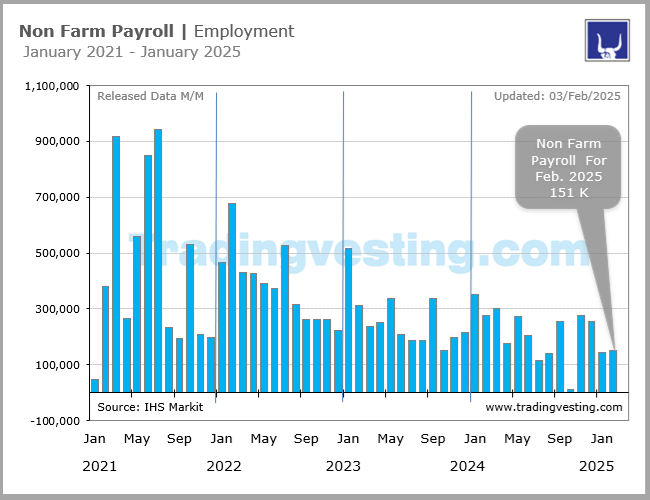
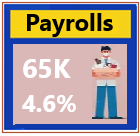
Nonfarm payrolls is an economic indicator released by the Department of Labor monthly. The data reflect the change in nonfarm payrolls from the previous month and represent the total number of paid U.S. workers of any business. |
| 4 |
Unemployment Rate |
|
| 3 |
ADP Employment Report |
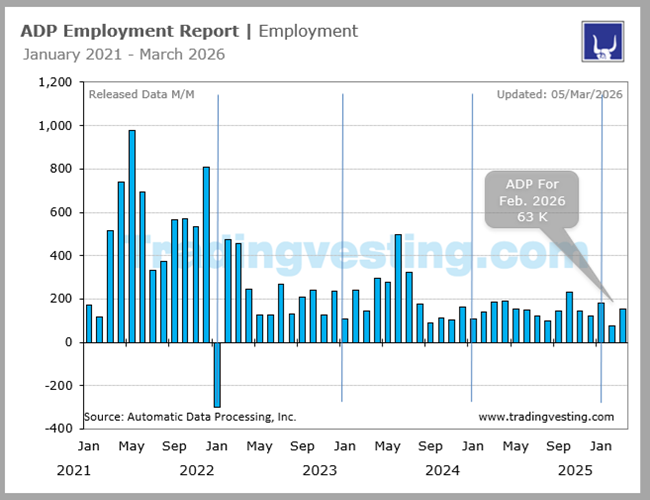
The ADP National Employment Report is a monthly estimate of total nonfarm private employment in the United States derived from aggregated and anonymous ADP payroll data. |
| 5 |
JOLTS |
The JOLTS report is closely watched at the Federal Reserve and elsewhere for signs of labor market tightness The number of openings exceeded those looking for jobs by 3.6 million in October. JOLTS data runs a month behind the more closely followed nonfarm payrolls report, which showed a gain of 546,000 for the month. |
| 2 |
Jobless Claims |
Jobless claims provide a gauge of the strength of the job market. Fewer people filing for unemployment benefits signals that employment is improving and the economy is growing stronger. On the other hand, increasing jobless claims suggest that the job market and economy are deteriorating. Continuing claims reflect the number of people already receiving benefits. The four-week average reduces seasonal volatility in the weekly data and is seen as a more accurate barometer of labor-market trends. |
 |
|
|