U.S. inflation remained relatively contained
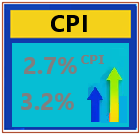
The July CPI report was broadly benign. Inflation eased slightly to about 3.4% year over year, while core inflation was relatively stable. This reduced pressure for the Fed to raise rates aggressively.
Market impact: Positive for stocks — particularly growth/technology shares, because lower inflation reduces the pressure on Treasury yields and Fed policy.
🇺🇸 2. PPI was the biggest positive surprise
July Producer Price Index (PPI) was unchanged month-over-month, versus expectations for an increase. Year-over-year PPI slowed to 4.7% from 5.5% in June.
This was important because PPI feeds into expectations for the Fed's preferred inflation measure, PCE.
Market impact: Bullish. It reduced the probability of a September Fed rate hike.
🇺🇸 3. Retail sales showed a warning sign
July retail sales fell 0.6%, the first monthly decline in nine months and considerably weaker than economists expected. Core retail sales also declined 0.4%.
This suggests the U.S. consumer may be losing momentum.
Market impact: Mixed.
Good for Fed-rate expectations.
Bad for economic-growth expectations and corporate earnings.
This is probably the most important warning sign from the week's economic data.
🇺🇸 4. Labor market remains softer
The recent employment data continue to indicate a cooling labor market. Weekly jobless claims increased moderately but remained relatively low, suggesting slower hiring rather than an outright collapse in employmen
5. Oil/geopolitics remain an economic risk
The continuing uncertainty around the Strait of Hormuz and Iran pushed oil prices sharply higher earlier in the week. Oil briefly rallied about 5% on Aug. 10.
Higher oil prices could reverse some of the recent improvement in inflation.
This is the biggest external economic risk for the U.S. market right now.
🇺🇸 6. Fed expectations changed significantly
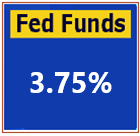
At the beginning of the week, markets were still assigning roughly a 50% probability of a September Fed hike. After the softer inflation/PPI data, expectations shifted substantially toward the Fed holding rates steady.
U.S. inflation data were relatively favorable
The week's U.S. inflation data helped markets because inflation did not accelerate as much as f |