What are Futures Options?
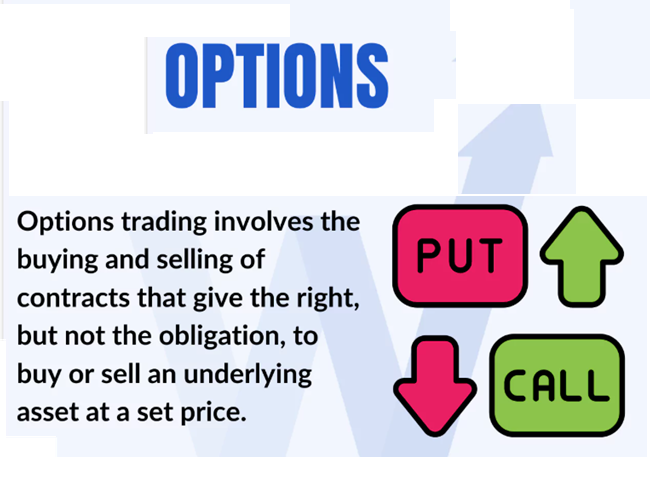
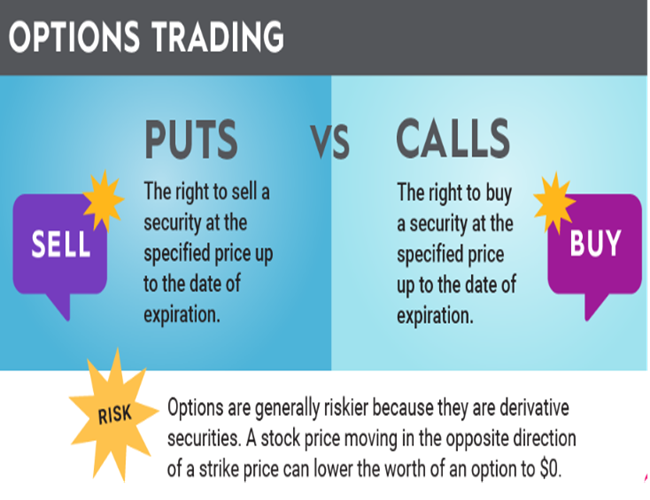
An option is the right, not the obligation, to buy or sell a futures contract at a designated strike price for a particular time.
Buying options allow one to take a long or short position and speculate on if the price of a futures contract will go higher or lower. There are two main types of options - calls and puts.
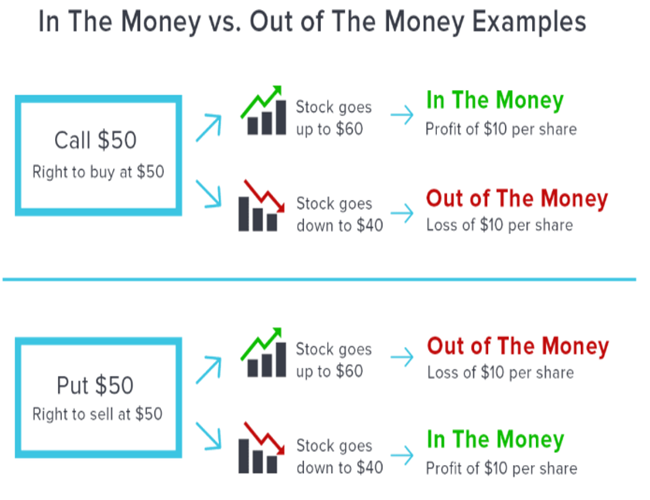
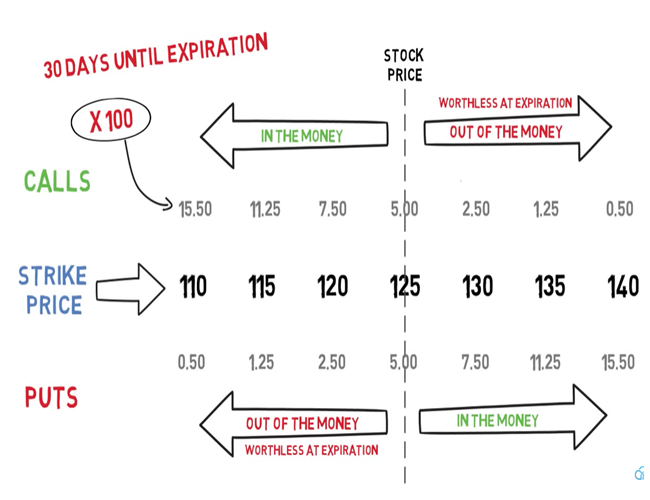
Calls – The purchase of a call option is a long position, a bet that the underlying futures price will move higher. For example, if one expects corn futures to move higher, they might buy a corn call option.
Puts – The purchase of a put option is a short position, a bet that the underlying futures price will move lower. For example, if one expects soybean futures to move lower, they might buy a soybean put option.
Premium – The price the buyer pays and seller receives for an option is the premium. Options are price insurance. The lower the odds of an option moving to the strike price, the less expensive on an absolute basis and the higher the odds of an option moving to the strike price, the more expensive these derivative instruments become.
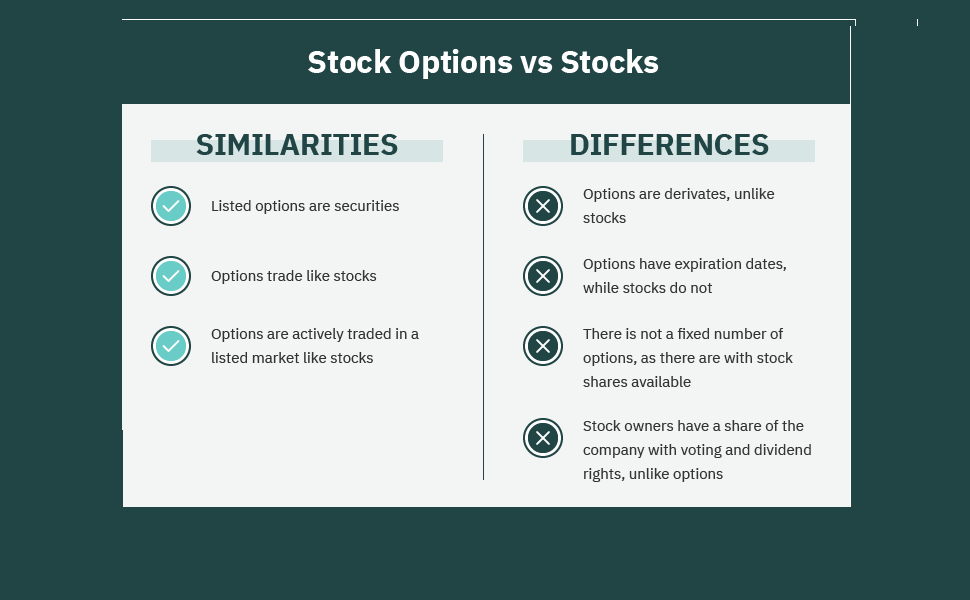
Contract Months (Time) – All options have an expiration date, they only are valid for a particular time. Options are wasting assets; they do not last forever. For example, a December corn call expires in late November. As assets with a limited time horizon, attention must be accorded to option positions.
The longer the duration of an option, the more expensive it will be. The term portion of an option's premium is its time value.
Strike Price – This is the price at which you could buy or sell the underlying futures contract. The strike price is the insurance price. Think of it this way, the difference between a current market price and the strike price is similar to the deductible in other forms of insurance. As an example, a December $3.50 corn call allows you to buy a December futures contract at $3.50 anytime before the option expires. Most traders do not convert options to futures positions; they close the option position before expiration.
Example of Buying an Option:
If one expects the price of gold futures to move higher over the next 3-6 months, they would likely purchase a call option.
Purchase: 1 December $1400 gold call at $15
1 = number of option contracts bought (represents 1 gold futures contract of 100 ounces
December = Month of option contract
$1400 = strike price
Gold = underlying futures contract
Call = type of option
$15 = premium ($1,500 is the price to buy this option or, 100 ounces of gold x $15 = $1,500)
More Infomation On Options
Options are derivative contracts that let you bet on Instrument prices moving up or down, but with a inbuilt safety net that ensures you lose only a small upfront fee, not your whole account, if the bet fails. It's akin to buying a lottery ticket. A call lets you bet on price rallies, while a put lets you bet on price dumps. The latter is, therefore, seen as a protective hedge. Traders typically track options skew – that telltale pricing gap between calls and puts – to sniff out where the market's leaning. Calls pricier than puts indicates Bullish tilt, while put premium suggests otherwise.
|